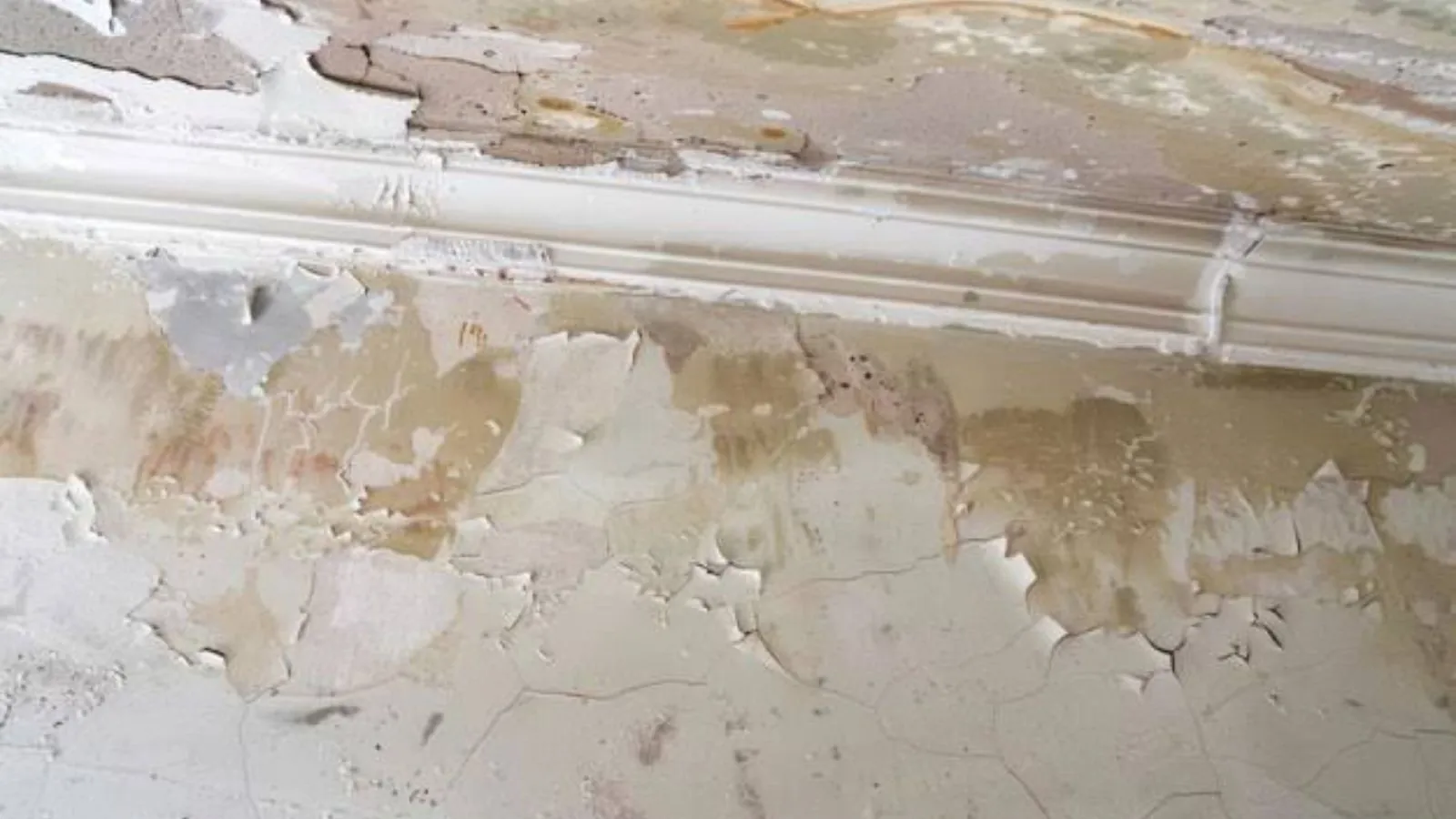
Most people only read their homeowners policy after the floor is wet. This guide explains the general pattern insurers follow, so you know which questions to ask. It is not a ruling on your policy. Only your insurer can tell you what is covered.
The idea that decides most claims
Standard homeowners policies are built around the phrase sudden and accidental. Water that escapes suddenly from plumbing, heating or an appliance is the classic covered loss. Water that seeped for months is usually treated as a maintenance problem the owner should have caught.
So the first thing an adjuster wants to know is not how bad the damage is. It is what caused it and how long it had been going on.
What is often covered, and what often is not
| Situation | How insurers usually treat it | What to check in your policy |
|---|---|---|
| Supply line or pipe bursts | Often covered | Deductible, any freeze conditions |
| Water heater tank fails | Damage often covered, the heater itself usually not | Wording on appliances |
| Washer or dishwasher overflows | Often covered if sudden | Limits on flooring and matching |
| Slow leak under a sink for months | Often excluded as gradual | "Continuous or repeated seepage" wording |
| Sewer or drain backs up | Usually excluded unless you added an endorsement | Water backup endorsement and its limit |
| Roof leaks in a storm | Depends on cause: wind damage often yes, wear often no | Wind or named-storm deductible |
| Water rises from outdoors | Excluded from homeowners policies | Separate flood policy |
The word "often" is doing real work in that table. Policies differ between companies and between forms from the same company.
Flood is its own category
Rising water from outside is where most surprises happen. A homeowners policy and a flood policy are two separate contracts, usually with separate deductibles and separate adjusters.
To an insurer, flood generally means water that covers normally dry land and enters from the ground up. A pipe that floods your kitchen is not a flood in that sense, even though everyone calls it one.
The cause is covered, but is the repair?
Policies commonly pay for the damage water caused, not for the failed part. If a pipe splits, the wet drywall and flooring may be covered while the plumber's bill for the pipe is yours. Some policies pay to open a wall or slab to reach the leak. Ask about "tear out" or "access" coverage.
Mold is another limit to look for. Many policies cap what they pay for mold cleanup that follows a covered water loss, and exclude it otherwise.
Your duty to limit the damage
Nearly every policy requires you to take reasonable steps to stop a loss from getting worse. That means shutting off the water, removing standing water and starting drying. You do not need the adjuster's permission to do that, and waiting can hurt a claim.
Take photos and video first. Keep damaged materials if you can, or photograph them well before disposal. Save receipts for anything you spend.
How this plays out in Mooresville, NC
The North Carolina Department of Insurance says it directly in its homeowners FAQ: homeowners policies do not cover flood or rising water damage, and flood insurance can be bought through the National Flood Insurance Program. That applies whether you live near Lake Norman or miles from any creek.
Mapped flood hazard for any Mooresville address can be viewed in the state's Flood Risk Information System, fris.nc.gov. Those maps were refreshed in 2024, when new digital versions for Iredell County went out for public comment. A home outside a mapped hazard area can still take on water in heavy rain.
The same department runs a consumer assistance line for policyholders who have questions about a claim. You can find the current number on ncdoi.gov.
Questions to ask your agent this week
- Is my deductible a flat amount or a percentage for wind or named storms?
- Do I have water backup coverage, and what is the limit?
- Is there a cap on mold-related costs?
- Does my policy pay to access a leaking pipe behind a wall or under a slab?
- Do I need a flood policy for this address?
Asking before a loss costs nothing and takes ten minutes.
Where a restoration company fits
A restoration crew does not decide coverage and should not promise it. What a crew can do is produce the record an adjuster needs: the cause in plain words, dated photos, daily moisture readings and an itemized scope.
If water is standing now, start with emergency water extraction, then structural drying. That holds for homes in town and for those in Troutman and Mount Ulla.
Coverage in brief
Does homeowners insurance cover water damage in Mooresville if I live near Lake Norman?
Living near the lake does not change how a homeowners policy reads. Sudden plumbing leaks are often covered. Water rising from the lake or the ground is flood, which North Carolina's insurance department says homeowners policies do not cover.
Will my premium go up if I file a water claim?
It can. Insurers look at claim history. For a small loss close to your deductible, ask your agent how a claim would be treated before you file.
Is a slow leak ever covered?
Sometimes the hidden nature of a leak matters, but long-term seepage is one of the most common reasons for denial. Ask your insurer how your policy words it.
Do I need to wait for the adjuster before drying?
No. Document the damage, then limit it. Most policies require you to.
Still have a question? Ask it on the phone, any hour.
Call (833) 521-1033