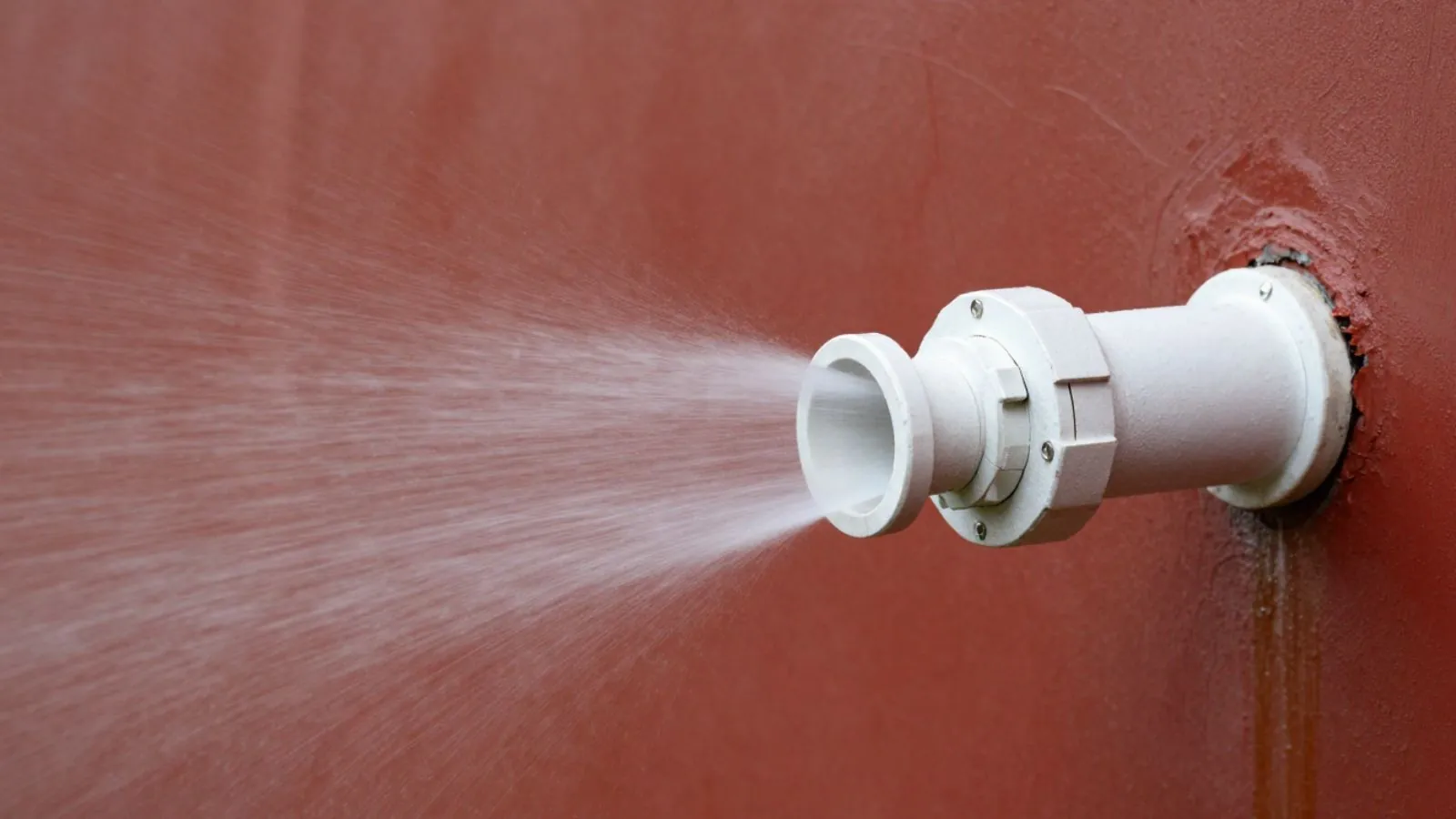
A frozen pipe rarely floods a house while it is frozen. The trouble starts at the thaw, and emergency frozen pipe water damage restoration in Mooresville, NC is a call you can make 24/7. If a line has split, close the main water valve, leave the affected faucets open, keep space heaters and open flames away from the pipe, and move belongings out of the wet area.
Frozen pipe water damage is what happens when ice forms inside a supply line, pressure builds between the ice and a closed faucet, and the pipe wall cracks. Ice plugs the crack until temperatures rise. Then the line runs at full pressure.
Thawing pipe, sudden leak: why this is urgent
The first sign is often a faucet that gives a trickle or nothing on a cold morning. The second sign, hours later, is water where it should not be. Because the split may sit inside an exterior wall, an attic or a crawl space, a lot of water can escape before anyone sees it.
After-hours calls are typical for this kind of loss. Homes left empty over a cold holiday weekend are the worst case, since a line can run for days.
If a pipe is frozen but has not leaked yet, open the faucet it feeds and warm the pipe gently with a hair dryer. Never use a torch. If you cannot reach the frozen section, close the main valve until a plumber can look.
How common is this in Mooresville?
We will not put a number on it. Hard freezes in the Piedmont are occasional, not a seasonal certainty, and we have no primary-source count of freeze losses for the town. What we can say is how the mechanism works when a cold snap does arrive.
Risk concentrates where pipes run through unheated or poorly insulated spaces: exterior walls, vented crawl spaces, garages, attics and hose bibs. A house does not need to be old to have one vulnerable run. The National Weather Service office for this area posts freeze warnings, and those are the nights to let a faucet drip.
Water on the floor right now? The line is answered 24/7.
Call (833) 521-1033What the restoration involves
Once the water is off, extraction removes what is standing. Then the search begins, because freeze splits are often hidden. Technicians follow moisture readings and thermal images back to the wet cavity and open it enough to dry it.
| Where the line froze | What usually gets wet | Typical drying approach |
|---|---|---|
| Exterior wall | Insulation, drywall, baseboard, flooring edge | Remove wet insulation, dry the cavity through openings |
| Attic run | Ceiling drywall, insulation, rooms below | Ceiling opened where sagging, attic insulation replaced |
| Crawl space | Subfloor, joists, under-floor insulation | Insulation pulled, air movement and dehumidification below |
| Garage or hose bib | Garage drywall, adjoining interior wall | Wall base opened, contents moved and dried |
Ceilings soaked from an attic line are handled the way our ceiling water damage repair page describes. Water that drained under the house is a crawl space water damage job. In every case air movers and dehumidifiers run until daily readings match dry reference materials, the approach set out in ANSI/IICRC S500.
Frozen pipe or ordinary burst pipe?
The cleanup is similar, but the pattern differs. A freeze often cracks a line in more than one place, so a second leak can appear after the first is fixed. That is why we recommend a plumber pressure-test the system before walls are closed.
If your leak had nothing to do with cold weather, the burst pipe water damage page is the closer match. If the wet material is mostly sheetrock, see how wall and drywall repair is handled.
What not to do with a frozen or thawing pipe
- Do not use a blowtorch, heat gun or any open flame.
- Do not leave a space heater running unattended near the pipe.
- Do not turn the water back on until a plumber has checked for more than one split.
- Do not stand under a ceiling that has begun to bulge.
What changes the price after a freeze
Time before discovery
A line that ran for an hour and one that ran through a weekend are different projects.
Number of breaks
Multiple splits mean multiple wet areas to open and dry.
Location
Attic and crawl space lines add access work and insulation replacement.
Materials
Hardwood, plaster and cabinetry take longer to dry than carpet and drywall.
Rebuild scope
Drywall, paint, insulation and flooring repairs are scoped separately.
A sudden freeze break is often covered by homeowners insurance, though insurers may ask whether the home was heated. Check your policy or ask your insurer. The scope is written down and priced before the job starts.
Where we work
After a cold snap we take calls from all over Mooresville, 28115 and 28117 alike. Troutman and Mount Ulla are covered too, and homes there on open rural lots are more exposed to wind.
Frozen pipe water damage: common questions
Do you handle frozen pipe water damage emergencies at night or on weekends in Mooresville?
Yes. Thaws often happen overnight or while a family is away, so the line is staffed around the clock. Shut the main valve, then call with what you can see.
My pipe is frozen but not leaking. Do I need you?
Not yet. You need the pipe thawed safely, and a plumber if you cannot reach it. Call us if water appears once it thaws.
How do I know where the pipe split?
Often you cannot see it. Wet drywall, a ceiling stain or dripping from a light fixture shows where the water went, and a meter and thermal camera trace it back toward the break.
Can wet insulation be dried and kept?
Usually not in a wall or attic. Fiberglass and cellulose hold water against the framing and lose their loft, so removal and replacement is the normal call.
Will the leak come back?
The dried area will not start leaking again by itself, but a freeze can damage more than one section of pipe. Have a plumber test the system before repairs are finished.
Still have a question? Ask it on the phone, any hour.
Call (833) 521-1033