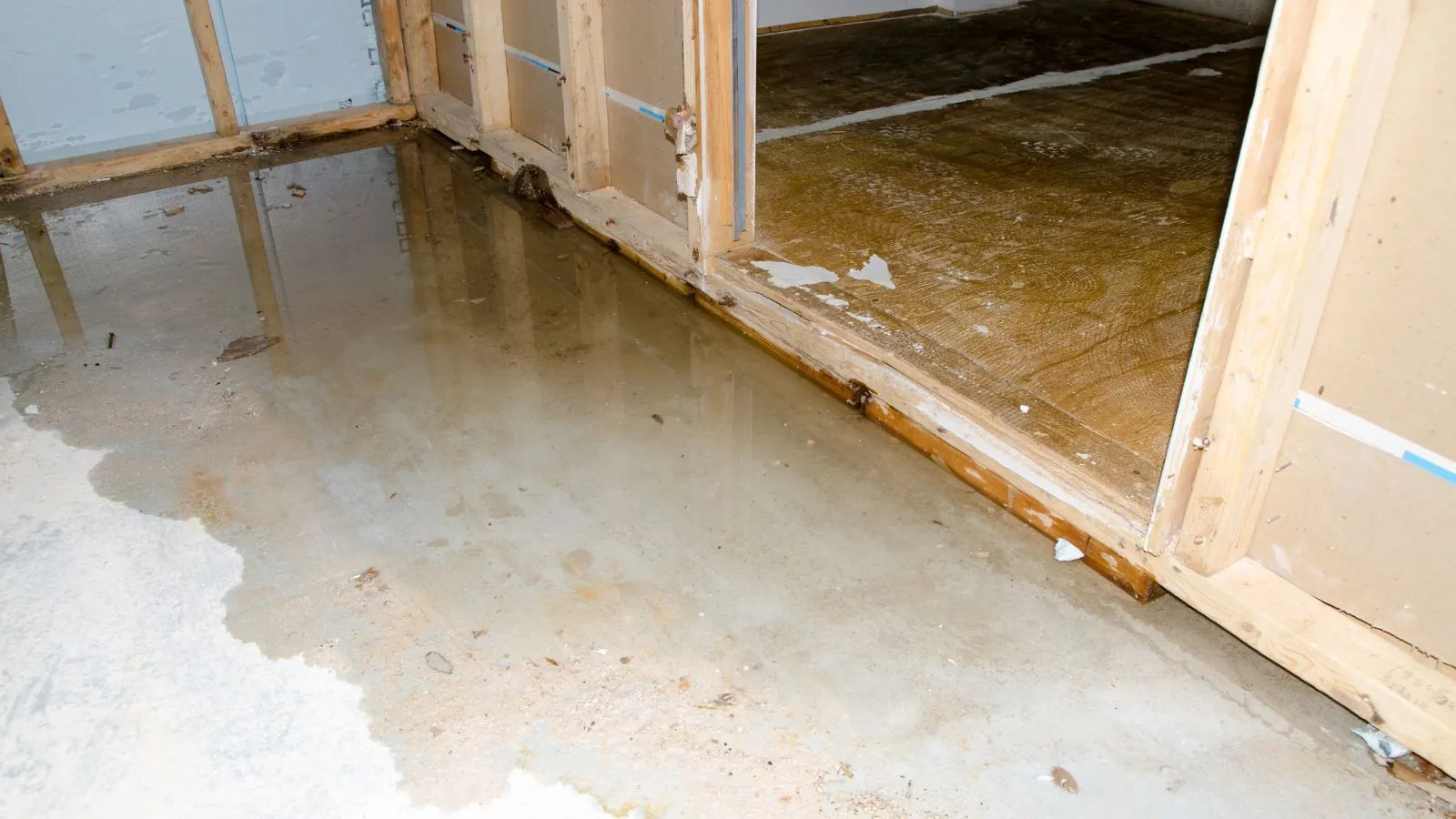
When water comes in from outside, the clock and the contamination both matter, and emergency flood damage cleanup in Mooresville, NC is available 24/7 by phone. Do not walk into floodwater if the power may be live. If it is safe, move people and pets to a dry level, lift valuables, and photograph the water line before it drops.
Flood damage means water that rose from the ground, a creek, a storm drain or surface runoff and entered the building. Restoration standards treat it as Category 3 water because it carries soil, bacteria and whatever it crossed on the way in.
When rising water is an emergency
It is an emergency while water is still rising, when it has reached outlets or the furnace, and for as long as wet materials are sitting. Do not wait for it to dry by itself. Porous materials that soaked up outdoor water do not become clean when they dry.
Never enter standing floodwater where electricity may be live, and never switch a breaker while standing in water. Call your power utility or 911 for electrical or gas danger first.
Flood risk in Mooresville, honestly stated
Mooresville is not a river-bottom town, but no address is immune. Lake Norman lies three to eight miles west of the town center, and creeks and drainage paths run between neighborhoods. Heavy rain can also overwhelm a yard or a street drain far from any mapped stream.
In 2020, rain fed by Tropical Storm Eta knocked out a bridge on Liberty Hill Road elsewhere in Iredell County, according to the North Carolina State Climate Office. We cite that as county context only. It is not evidence about any one Mooresville street.
The state runs an online lookup at fris.nc.gov where you can enter an address and see its mapped flood hazard. Iredell County's maps were revised recently. In 2024 the state put new digital versions out for comment, and Mooresville was among the communities covered. Sitting outside a shaded zone does not mean a lot stays dry.
Water on the floor right now? The line is answered 24/7.
Call (833) 521-1033How flood cleanup differs from a clean-water leak
| Step | Clean supply leak | Floodwater from outdoors |
|---|---|---|
| Extraction | Pump and vacuum, discharge normally | Pump with controlled discharge, protective gear |
| Carpet and pad | Often dried and kept | Removed and discarded |
| Drywall and insulation | Dried in place when possible | Cut out above the water line |
| Hard surfaces | Dried | Cleaned, then treated with an antimicrobial, then dried |
| Verification | Moisture readings | Moisture readings plus cleaning documentation |
The crew pumps and extracts first, as described on our water extraction page. Then contaminated porous materials come out: carpet, pad, wet drywall and insulation. Framing and concrete are cleaned and treated, and only then does drying equipment go in.
What can and cannot be saved
Solid wood furniture, metal and many hard goods can be cleaned. Upholstery, mattresses, particleboard furniture and paper that sat in floodwater usually cannot. We will tell you plainly which is which so you are not paying to dry things that should be discarded.
If water entered through the roof or a broken window during a storm, not from the ground, that is covered on the storm water damage page. A drain that pushed sewage into the house belongs on the sewage backup cleanup page.
What not to do after a flood
- Do not use electrical appliances that got wet.
- Do not run the furnace or air conditioner if water reached the unit or the ducts.
- Do not eat or keep food that touched floodwater.
- Do not pump out a deeply flooded lower level all at once without advice, since outside water pressure on the walls can cause damage.
What changes the price of flood cleanup
Depth and area
Two inches in one room and a foot across a lower level are different jobs.
Contamination
Category 3 handling, protective equipment and disposal add labor.
Demolition
The amount of drywall, insulation and flooring removed drives hours and debris.
Drying days
Framing and slabs that soaked for days take longer to reach dry readings.
Rebuild
Putting walls and floors back is scoped after drying confirms what remains.
Insurance works differently for floods, and state regulators are blunt about it. Per the North Carolina Department of Insurance, a homeowners policy does not pay for flood or rising water. That cover comes from the National Flood Insurance Program instead. Check your own policies. We document the loss with photos and readings either way.
Service area
Flooded properties in Mooresville, in either the 28115 or the 28117 ZIP code, are within reach. So are Troutman and Mount Ulla, where creeks feed the South Yadkin River.
Flood damage cleanup: common questions
Do you handle flood damage emergencies at night or on weekends in Mooresville?
Yes. Flooding often peaks overnight, so the line is answered at all hours. If water is still rising, your first call is 911 or the power utility for any danger. Call us once people are safe.
Is floodwater really that dirty if it looks clear?
Yes. Water that crossed soil, pavement or a drain carries contaminants you cannot see. That is why soaked carpet and drywall are removed, not dried.
Can I keep my carpet after a flood?
After outdoor floodwater, no. Carpet that was wet by a clean supply line is a different case, covered on our carpet page.
Does homeowners insurance pay for flood damage?
Usually not. Flood is normally excluded and needs separate flood coverage. Ask your insurer and your flood carrier, and keep photos of the water line.
The water went down by itself. Do I still need cleanup?
Yes. The walls and floor that soaked it up are still wet and contaminated. An assessment with a moisture meter shows how high the water wicked.
Still have a question? Ask it on the phone, any hour.
Call (833) 521-1033