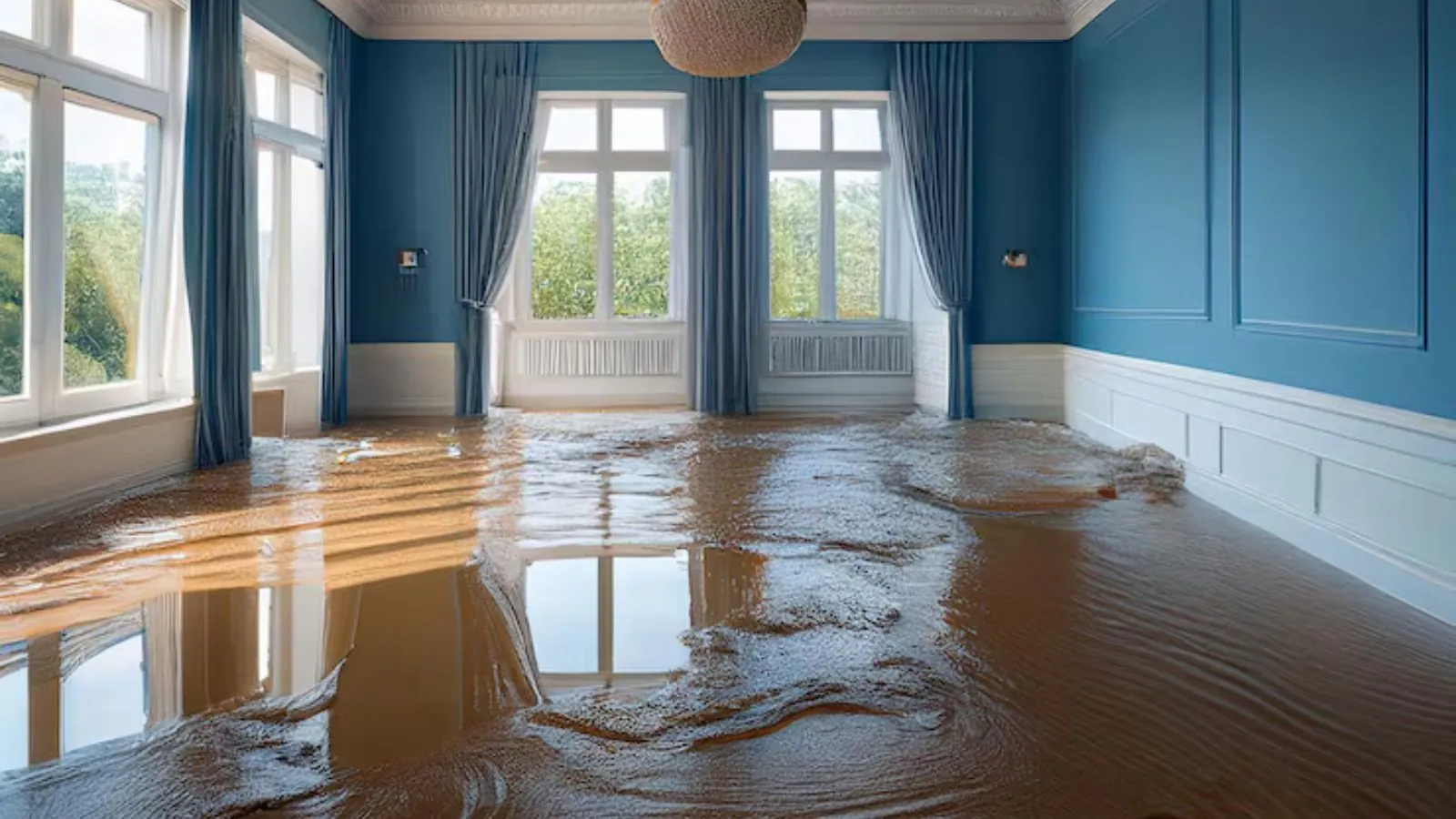
A past water problem does not make a house unsellable. Unexplained evidence of one can. This guide covers how water damage and disclosure generally interact when you sell, and what records put you in the strongest position. It is general information, not legal advice. For your sale, speak with your real estate agent or an attorney.
Why water history matters to buyers
Water damage raises three worries in a buyer's mind: is it still leaking, was it dried properly, and is there mold behind the wall. A seller who can answer all three with documents removes most of the fear.
A seller who painted over a stain and hoped nobody would notice has created a negotiation problem. Home inspectors carry moisture meters and thermal cameras, and stains under fresh paint are the first thing they check.
Disclosure in general terms
North Carolina has a Residential Property Disclosure Act, and most home sales involve a state disclosure statement that the seller completes. The form is published by the North Carolina Real Estate Commission and is updated from time to time, so read the current version on the commission's website.
The form asks about the condition of the property, and its questions touch on matters such as leaks, water seepage and dampness. Sellers generally have the options the form provides for each question. How to answer is a decision to make with your agent or attorney, because the consequences of a wrong answer fall on you.
One principle holds everywhere: whatever you choose to state must be true. A known problem that is misrepresented is where sellers get into legal trouble.
Repaired versus unrepaired
| Situation | Buyer's likely reaction | What helps |
|---|---|---|
| Leak fixed, structure dried, records kept | Minor concern | Invoice, drying log, photos, permit if one applied |
| Leak fixed, no records | Suspicion | A current moisture check by a third party |
| Stain visible, cause unknown | Inspection objection or lower offer | Find the cause before listing |
| Active leak | Repair request or walk-away | Fix, dry and document before listing |
| Past flood from outdoors | Questions about flood insurance and maps | Flood map status, claim history, elevation information |
The records worth keeping
- The cause of the loss in a sentence, with the date
- The plumber's or roofer's invoice for the source repair
- Photos before, during and after
- The moisture map and daily drying log
- The itemized scope of repairs
- Any permit and final inspection
- The insurance claim number, if one was filed
A drying log is the document buyers' inspectors respect most, because it shows readings returning to normal.
If the damage is still there
Fix the source first. Then have the structure dried and measured, not just patched. Listing with an active leak or damp framing usually costs more in price reductions than the repair would have.
If you cannot repair before selling, get an assessment so you can describe the condition accurately and let buyers price it in. Guessing helps nobody.
Lender requirements
Some loan types require the property to meet minimum condition standards, and an appraiser can flag active leaks or visible damage. Callers sometimes reach us because a lender will not fund until a problem is resolved. We can dry and repair the damage and document it. Whether that satisfies a particular lender is the lender's decision.
Pre-listing checks that pay off
Look at ceilings under bathrooms, the cabinet floor under every sink, the wall behind the washer, the area around the water heater and the base of exterior doors. Look in the attic near vents and the chimney. If the house has a crawl space, look there too.
Anything you find, you can deal with on your schedule instead of the buyer's.
Selling in Mooresville, NC
Flood questions come up often near Lake Norman. Buyers and lenders will look the address up on the state flood mapping site, fris.nc.gov. New Iredell County maps were circulated for review in 2024, and a property's status may have changed. Check your own address before listing so the answer does not surprise you during the sale.
If past repairs needed a permit, the record sits with the office that issued it. Mooresville began issuing its own building permits in 2023. Before that, town residents went to Statesville for permits, so ask the Town where older records are kept.
Older homes near downtown, including those in the Mill Village built from 1902 to 1930, often show old stains from leaks repaired decades ago. A current moisture reading that shows the area is dry is the simplest way to put a buyer's mind at ease.
How we can help a seller
We assess, dry and repair, and we hand you the documentation. Typical pre-sale jobs include ceiling water damage repair under a bathroom and kitchen water damage under a sink. We do not provide legal advice or mold testing. Sellers in Troutman and Mount Ulla can use the same service.
Seller questions
Where can Mooresville sellers find the North Carolina disclosure form?
The North Carolina Real Estate Commission publishes the current residential disclosure statement on its website. Your listing agent will normally supply it.
Do I have to fix water damage before selling?
Not necessarily, but unrepaired damage usually affects price and financing. Ask your agent how to handle it.
Will an old stain fail an inspection?
Inspections do not pass or fail. A dry stain with a known cause is usually a note. A wet one becomes a negotiation.
Should I get a moisture check before listing?
If you have any history of leaks, yes. It is quick and gives you facts.
Still have a question? Ask it on the phone, any hour.
Call (833) 521-1033